

Best Sewing Machine for Beginners 2026: Top Picks
Table of Contents
- Best Sewing Machine for Beginners 2026: Our Top Picks Compared
- What to Look For in a Sewing Machine for Beginners
- Mechanical vs Computerised Sewing Machines: Which Suits You?
- Brother L14s: The Budget-Friendly Starter Machine
- Brother LX25: Best Value for Growing Confidence
- Brother XR27NT: The All-Rounder for Ambitious Beginners
- Brother Innov-is NV15: A Simple First Computerised Machine
- Essential Sewing Machine Accessories for Beginners
- Sewing Machine Maintenance Tips for Beginners
- Which Beginner Sewing Machine Should You Buy?
- Frequently Asked Questions
Last Updated: September 8, 2026
Choosing your first machine is exciting, but the range of options can feel overwhelming. The best sewing machine for beginners 2026 balances simplicity with room to grow, and for most people starting out, a mechanical model from a trusted brand offers the most forgiving learning curve. At Fabric Mouse, we know that the perfect choice depends on your budget, your projects, and how much patience you have for technology.
The good news is that you do not need to spend a fortune to get a reliable, capable machine. Models under £250 handle the vast majority of beginner projects, from hemming curtains to making cushion covers and simple garments. Below, we break down the top picks we stock, explain the features that genuinely matter, and help you avoid the common mistakes that turn new sewists off the hobby.
Best Sewing Machine for Beginners 2026: Our Top Picks Compared
Every machine we recommend here earns its place because it is straightforward to thread, easy to operate, and built to last through years of regular use. These recommendations come from real hands-on experience rather than spec sheets.
Quick Picks:
- Best Budget Option: Brother L14s at £115.00, ideal for absolute beginners on a tight budget
- Best Value: Brother LX25 at £169.00, the sweet spot of stitch variety and simplicity
- Best All-Rounder: Brother XR27NT at £229.00, grows with you as your skills develop
- Best First Computerised: Brother Innov-is NV15 at £299.00, a gentle introduction to electronic machines
| Machine | Price | Stitches | Type | Best For |
|---|---|---|---|---|
| Brother L14s | £115.00 | 14 | Mechanical | Absolute beginners, simple repairs |
| Brother LX25 | £169.00 | 25 | Mechanical | Everyday projects, growing confidence |
| Brother XR27NT | £229.00 | 27 | Mechanical | Ambitious beginners, jersey fabrics |
| Brother Innov-is NV15 | £299.00 | 16 | Computerised | First step into electronic sewing |
What to Look For in a Sewing Machine for Beginners
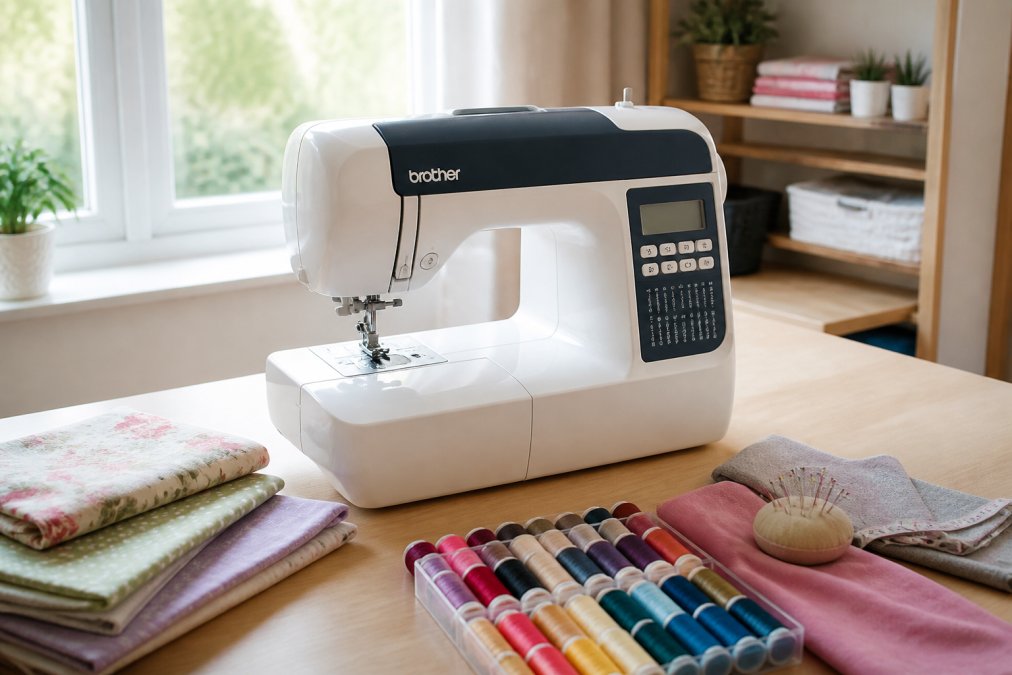
A sewing machine for beginners needs three things above all: reliable straight and zigzag stitches, a simple bobbin system, and clear instructions. Everything else is a bonus. The top-loading, drop-in bobbin found on modern Brother machines is a genuine game-changer because it is visible through a clear cover, so you can spot tangles before they become jams.

Stitch count matters less than you might think. Fourteen well-chosen stitches cover most beginner needs, while 25 or 27 simply add decorative and stretch options for when you branch out. A built-in needle threader saves real time and frustration, and an automatic 4-step buttonhole produces professional results without the fear of ruining a garment at the final stage.
Basic machine maintenance is also a consideration. Mechanical machines like the Brother L14s and LX25 are remarkably forgiving and rarely need more than a clean and re-oil every few months, which makes them ideal for newcomers who want to focus on sewing rather than servicing.
Mechanical vs Computerised Sewing Machines: Which Suits You?
The choice between mechanical and computerised machines is the most significant decision a beginner faces. Mechanical machines use physical dials and levers to select stitches and adjust tension, while computerised models use buttons, screens, and motors to control the same functions automatically.
Mechanical machines win for most beginners because they are intuitive, durable, and easier to troubleshoot. When something goes wrong, you can see exactly which dial controls what. The Brother XR27NT is a superb example, offering 27 stitches with straightforward dial selection and no menus to navigate. Computerised machines, like the Brother Innov-is NV15, offer conveniences such as start-stop buttons, speed sliders, and automatic tension, but they introduce a learning curve that can frustrate a complete novice.

The exception is if you have limited patience for manual adjustment or plan to do a lot of free-motion quilting, where computerised stitch control genuinely helps. For everyone else, a mechanical machine under £250 delivers the best value and the smoothest introduction.
Brother L14s: The Budget-Friendly Starter Machine
The Brother L14s is the machine we recommend to anyone who wants to test the waters of sewing without a significant investment. At £115.00, it offers 14 built-in stitches, including a 4-step buttonhole, straight stitch, and zigzag, which covers the essentials for mending, crafting, and light dressmaking.
Its lightweight design makes it easy to move between rooms or bring to a sewing class, and the top-loading bobbin system is genuinely jam-resistant. The manual tension dials teach you how stitch quality responds to adjustment, which is valuable knowledge for a beginner. LED lighting illuminates the work area clearly, and the machine runs quietly enough to sew while others sleep.
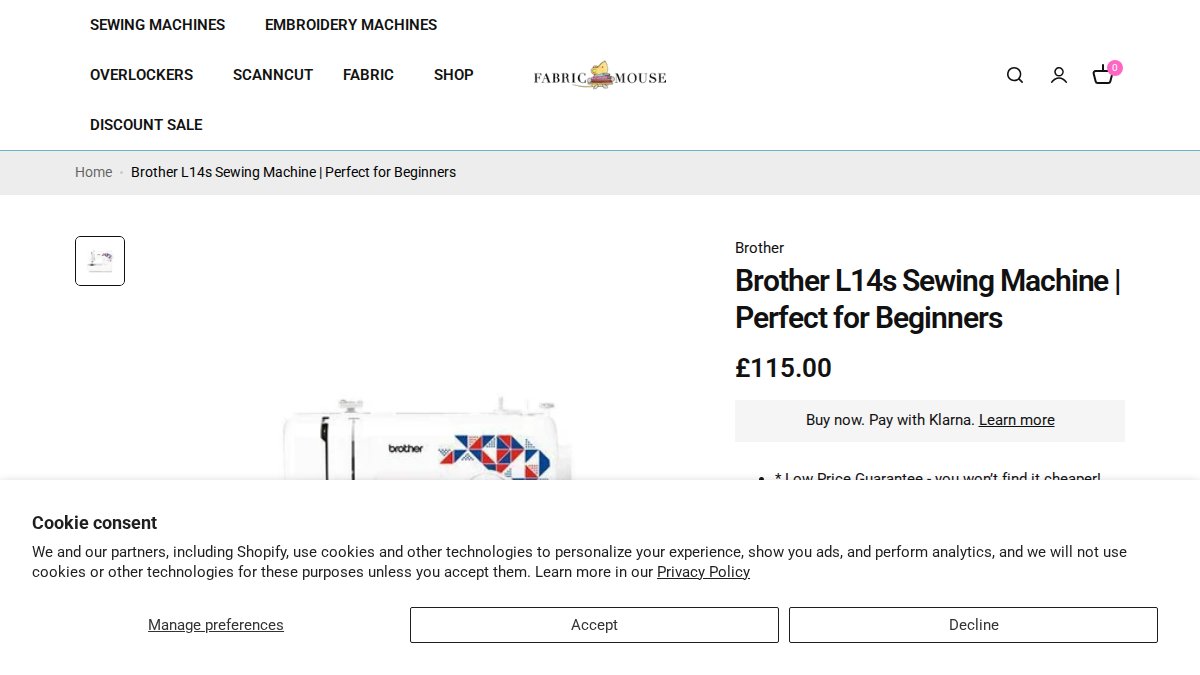
What it lacks is stitch variety. Fourteen stitches are enough to learn on, but you will likely outgrow it within a year if you develop a serious interest in dressmaking. The reverse lever is simple to use, and the 4-step buttonhole produces neat results once you practise. For a student, a young sewist, or anyone keeping a machine for light household tasks, this is a brilliant first purchase.
Brother LX25: Best Value for Growing Confidence
The Brother LX25 represents the best value in our beginner range at £169.00. It adds 25 built-in stitches, including stretch and decorative options, while keeping the same straightforward manual dial controls as the L14s. This makes it an ideal step up for someone who has used a basic machine and wants more creative freedom.

The extra stitches matter when you start working with knit fabrics or adding decorative touches to projects. A 4-step buttonhole remains, and the top-loading bobbin system is identical to the L14s, so there is no new learning curve. The machine is lightweight, well-lit, and responsive, making it pleasant to use for longer sessions.
The main drawback is the absence of a built-in needle threader, which the more expensive XR27NT includes. If you have good eyesight or patience, this is not a dealbreaker, but it is worth knowing before you buy. For most home sewists, the LX25 offers the best balance of price, stitch selection, and simplicity in our entire range.
Brother XR27NT: The All-Rounder for Ambitious Beginners
The Brother XR27NT is the machine we recommend to beginners who are serious about developing their skills. At £229.00, it delivers 27 stitches, including stretch and decorative options, plus a built-in needle threader that eliminates the most fiddly part of machine setup.
The needle threader alone justifies the price difference for many buyers. It is a small mechanism that pushes the thread through the needle eye automatically, saving time and frustration on every single project. The XR27NT also handles jersey and other stretch fabrics well, which broadens what you can make beyond cotton and woven materials.
Everything remains controlled by simple dials, keeping the learning curve gentle. The machine is light enough to carry to classes, and the clear Brother instructions make setup straightforward. A reverse lever secures seams easily, and the 4-step buttonhole is reliable once you have practised a couple of times.
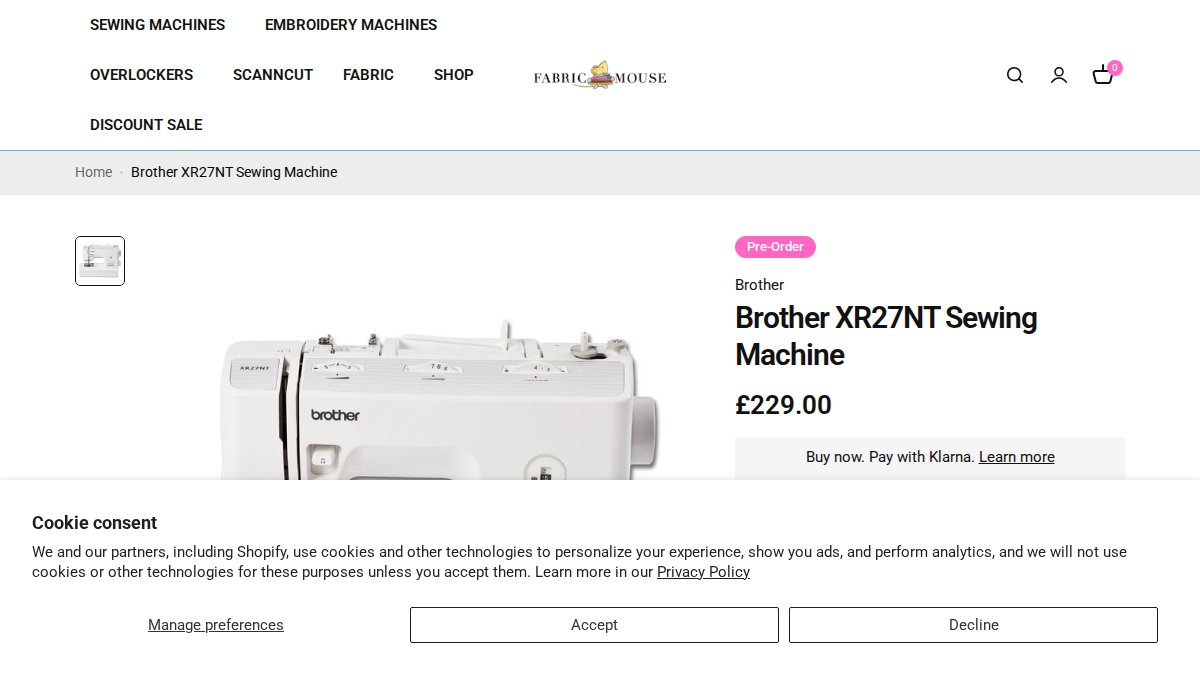
Where the XR27NT falls short is in decorative stitch variety compared with computerised models, and it lacks automatic tension adjustment. For a beginner who wants to learn proper technique, these are minor concerns. This machine will comfortably serve you for several years before you feel the need to upgrade.
Brother Innov-is NV15: A Simple First Computerised Machine
The Brother Innov-is NV15 is our recommended sewing machine for beginners who are drawn to computerised technology. At £299.00, it offers 16 essential stitches selected via an LCD screen and jog dial, plus a start-stop button that lets you sew without the foot pedal.
Computerised convenience shows in the details. The speed control slider lets you sew slowly and steadily while you build confidence, and the automatic needle threader works flawlessly. The drop-in bobbin with its clear cover is easy to monitor, and the LED light is bright and shadow-free. Stitch selection is instant and precise, with no dials to turn or guess at.
For light home sewing, repairs, and simple garments, the NV15 is a joy to use. It is compact, stylish, and quieter than many mechanical machines. The trade-off is that 16 stitches limit your creative range, and the electronic components mean you should handle it with more care than a rugged mechanical model.
Essential Sewing Machine Accessories for Beginners
Beyond the machine itself, a few accessories will make your first projects far more enjoyable. A basic kit should include a set of good quality needles in various sizes, because using the correct needle for your fabric prevents skipped stitches and damage to both fabric and machine.
Universal needles in sizes 70/10 for lightweight fabrics, 80/12 for medium weights, and 90/14 for heavier materials cover most beginner needs. You will also want a selection of bobbins that match your machine model, since not all bobbins are interchangeable between brands. A stitch ripper, good fabric scissors, and a set of quilting clips round out a practical starter kit.
| Accessory | Purpose | Beginner Priority |
|---|---|---|
| Needle assortment | Match needle to fabric weight | Essential |
| Spare bobbins | Avoid re-winding mid-project | Essential |
| Seam ripper | Correct mistakes cleanly | Essential |
| Fabric scissors | Cut accurately without fraying | High |
| Quilting clips | Hold layers without pins | Recommended |
A walking foot is worth adding if you plan to sew multiple layers or tricky fabrics like velvet and leather. Many machines also benefit from an extension table for larger projects such as quilts and curtains. At Fabric Mouse, our team can advise on exactly what suits your planned projects.
Sewing Machine Maintenance Tips for Beginners
Regular maintenance keeps your machine running smoothly and prevents most common faults. The first habit to develop is cleaning the bobbin area after every few hours of sewing, because lint accumulates quickly and affects stitch quality.
To clean, remove the needle plate and brush out lint with a soft brush. Avoid using compressed air, which pushes debris deeper into the mechanism. Oil your machine according to the manual, typically every few months for a machine used weekly. Only use sewing machine oil, never household oils, which can gum up the mechanism over time.
Changing needles regularly is the maintenance task most beginners overlook. A dull or bent needle causes skipped stitches and can damage fabric. As a rule, fit a new needle for every new project, and always change it if you hear a popping sound while sewing. If your machine develops persistent problems despite regular cleaning, professional servicing is worthwhile.
Which Beginner Sewing Machine Should You Buy?
The right choice comes down to your budget and your ambitions. For under £150, the Brother L14s is an honest, reliable starter machine that teaches the fundamentals without fuss. The Brother LX25 at £169.00 adds meaningful stitch variety and is the best value for most home sewists.
For those who want to grow into dressmaking and work with stretch fabrics, the Brother XR27NT at £229.00 is the machine we recommend most often. Its needle threader and 27 stitches make it a pleasure to use, and it will not hold you back as your skills develop. If you prefer computerised convenience from the start, the Brother Innov-is NV15 at £299.00 offers a gentle introduction to electronic sewing.
A sewing machine for beginners is an investment in a new skill, and buying from a specialist makes a real difference. At Fabric Mouse, we are an authorised service centre for all the brands we sell, which means we can support your machine throughout its life, not just at the point of sale. Our hands-on showroom lets you test machines before you commit, and our family-run team has been helping sewists since 1922.
Frequently Asked Questions
What features should a beginner look for in a sewing machine?
Look for a machine with a top-loading drop-in bobbin, a built-in needle threader, and a simple stitch selection dial. A 4-step buttonhole is useful for your first dressmaking projects. Models with 14 to 27 stitches, like the Brother LX25, give you enough variety for mending, crafts, and light dressmaking without overwhelming menus. A lightweight design helps if you need to store the machine between uses. LED lighting and a reverse lever also make learning easier and your seams more secure.
Is it better to buy a mechanical or computerised sewing machine for beginners?
For most beginners, a mechanical machine is the better first choice. Mechanical models like the Brother XR27NT use simple dials, are straightforward to maintain, and cost less. They also handle a wide range of everyday fabrics well. Computerised machines add conveniences like start/stop buttons and automatic thread cutters, but they cost more. If you plan to move quickly into dressmaking or quilting and prefer press-button stitch selection, a machine like the Brother Innov-is NV15 is a sensible step up.
How much should I spend on my first sewing machine?
Plan to spend between £115 and £300 for a quality first sewing machine from a trusted brand. At around £115, the Brother L14s covers the basics for simple mending and craft projects. Moving up to £169, the Brother LX25 adds more stitches and flexibility. Around £229, the Brother XR27NT includes a needle threader and stretch stitches for jersey fabrics. Spending more than £300 on your first machine rarely makes sense unless you are certain about a specific hobby like quilting.
Are second-hand sewing machines a good option for beginners?
Second-hand machines can be good value, but they carry risks. Older mechanical machines are often built to last, yet replacement parts may be hard to source. You also miss out on the manufacturer warranty and any aftercare support. Buying new from an authorised dealer gives you a guarantee, access to servicing, and help if something goes wrong in the first months. If you do buy second-hand, have the machine professionally serviced before regular use to avoid frustration.
Choosing your first machine should feel exciting, not daunting. The models above all offer reliable performance and genuine room to grow, so the best pick is the one that fits your budget and the projects you dream of making. When you buy from Fabric Mouse, you get expert guidance before your purchase and professional servicing support long after, giving you confidence in your choice. Contact us to discuss your needs, or visit our showroom to try these machines for yourself.
Buy Embroidery Machines in Yorkshire: 2026 Guide
Sewing Machine Repair Near Me: Local Service & Care Tips
Related Posts

How to Sew Mitered Corners on Hems

Standard Sewing Machine for Free-Motion Quilting: Pros and Cons

How to Use Quilting Rulers for Beginners

Types of Premium Cotton for Quilting

Why Bobbin Thread Bunches Up: Fix It Now

How to Grade Sewing Patterns for Custom Fit

How to Fix Gaping Armholes in Dresses: 7 Methods
